
Mini or Full Tummy Tuck: The Line Drawn at the Belly Button

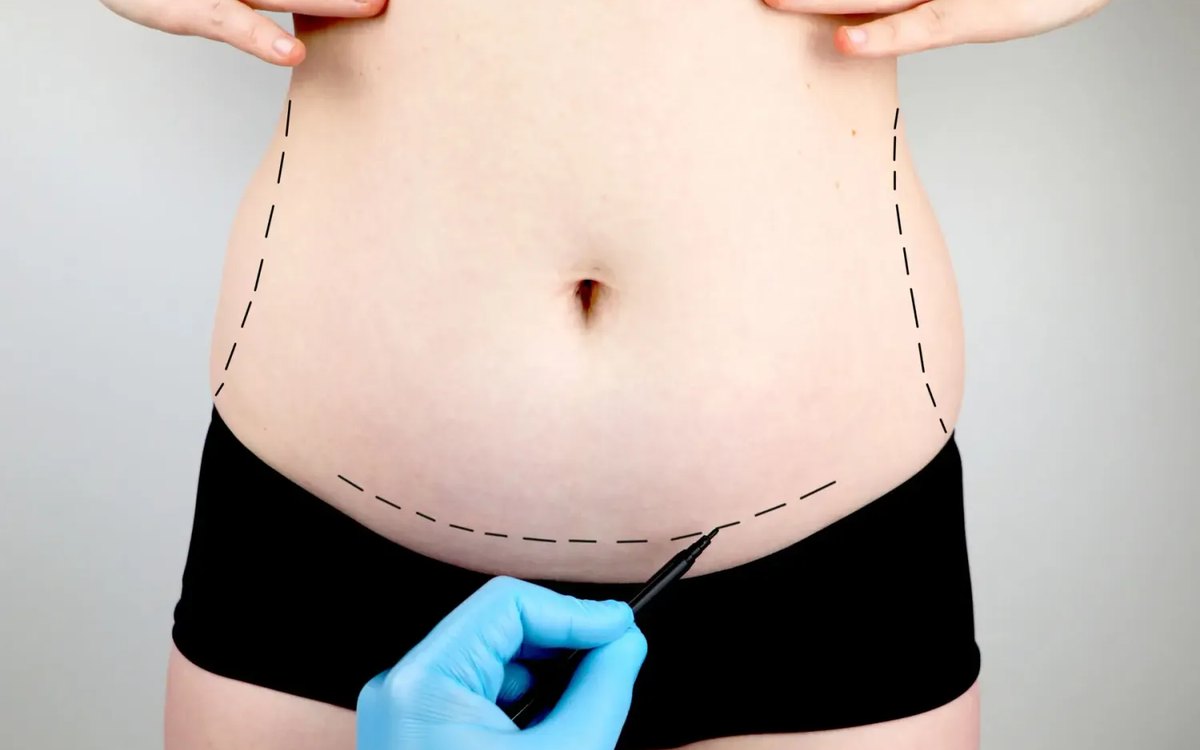
The line between a mini tummy tuck and a full one runs through the belly button. Everything below it is fair game for both operations. Everything above it belongs to the full version alone.
At Leo Lapuerta, MD, Plastic Surgery, the practice lays out what follows from that boundary: how much tissue comes out, which muscles get tightened, where the navel ends up and how long a patient spends away from work. For anyone budgeting time and recovery around a career, those differences carry as much weight as the shape of the result.
Common ground
Both procedures reduce excess skin, fat and tissue in the lower abdomen, and both aim for a flatter, more toned stomach. Most cases of either kind take place under general anesthesia. The practice performs the mini version on an outpatient basis in Dr. Lapuerta’s accredited surgical facility, with patients going home the same day, and a full tummy tuck is often outpatient too, depending on its extent.
The practice frames the choice around anatomy instead of the hoped-for outcome. The deciding factor is the amount of excess skin, fat and tissue that has to come out to reach the goal.
Where the two operations part ways
Compared with a full tummy tuck, the mini version, according to the practice:
- Removes a small amount of skin, fat and tissue
- Leaves the belly button in its original position
- Tightens only the abdominal wall muscles below the belly button, pulled together with sutures
- Uses a shorter incision, placed above the pubic area and similar in size and placement to a C-section scar
- Produces no change above the belly button
The full tummy tuck, which the practice calls the most common approach, treats the entire lower abdominal skin envelope, repairs the underlying abdominal muscles and reshapes the navel, which the surgeon brings through a new opening in many full cases. That adds a small scar around the belly button to the low horizontal scar. The practice describes the mini scar as running four to eight inches across the lower belly.
Matching the patient to the procedure
The practice’s description of a mini tummy tuck candidate is specific. Men and women in good shape who still have an unwanted pooch may qualify when the loose skin and fat sit between the belly button and the pubic bone, the skin tone is good, and no future pregnancy or drastic weight loss is planned.
Several findings point toward the full operation instead:
- Moderate to larger amounts of excess skin, fat and tissue
- Excess tissue or stretch marks above the belly button
- Stomach distention, or pooching, after eating
For many women after pregnancy, the practice calls the full tummy tuck the most effective form of the surgery. If loose skin extends around the sides, which is more common after major weight loss, an extended tummy tuck carries the correction farther.
Patients with a C-section scar have a practical advantage with the mini version. The practice explains that the new incision sits very close to the old one, and after the loose skin is trimmed, the two combine into a single scar that undergarments and a bathing suit bottom still cover.
The calendar
For working patients, the recovery gap may decide the matter. After a mini tummy tuck, the practice says patients are back on their feet the day after surgery and can return to work in two weeks. Full recovery takes four to six weeks, after which the practice clears most patients for exercise and strenuous activity.
The full tummy tuck asks for more. The practice lists an average procedure time of three to five hours for the full operation and describes a main recovery period of several weeks, with activity increasing gradually between weeks three and six and lifting restrictions that matter most when muscles have been repaired. Swelling keeps improving for months, and the abdomen looks more polished between three and six months after surgery. Either way, any surgery carries risks, and those belong in the consultation alongside the timeline.
Who makes the call
Dr. Lapuerta, a triple board-certified plastic surgeon with more than 30 years of experience and more than 30,000 procedures, argues that board certification plus deep experience with the specific procedure is the best determinant of an outcome patients are happy with. In his words: “The best way to ensure a good outcome is to choose a surgeon who is qualified (board certified) and has extensive surgical experience in both number of cases and years of experience.”
Choosing between the mini and the full version is part of that judgment. The practice notes that Dr. Lapuerta sits down with each patient at consultation to set out the treatment plan and the expected results, including which side of the belly button the correction needs to reach.
This article is for general information only and is not medical advice. Results vary from patient to patient. Consult a board-certified plastic surgeon or your physician about your own situation. Written in partnership with Joseph Lambert, a publicist working with Leo Lapuerta, MD Plastic Surgery.